Online Marketing for Ecommerce Business in Kenya
Running a digital storefront is highly competitive today. Therefore, mastering online marketing for ecommerce business in Kenya is no longer just about putting products online and waiting for orders. Indeed, the market is growing rapidly, competition is rising, and buyers are becoming incredibly selective. Consequently, Kenya is already positioned as one of Africa’s largest ecommerce markets. Official sources point to strong growth in online buying, rising internet penetration, and an increasing reliance on search, reviews, and social media.
Furthermore, this shift creates a major opportunity for serious brands. For instance, Kenya recorded 23.4 million internet users, 18.4 million social media user identities, and 77.5 million mobile connections recently. In simple terms, your target customers are already online. Moreover, they are actively comparing options and being influenced by digital content before they buy. Ultimately, the real question is how to build a scalable system that attracts the right traffic, turns visitors into loyal buyers, and keeps them coming back.
Why Online Marketing for Ecommerce Business in Kenya is Crucial
Digital visibility is the true engine behind modern retail growth. Without it, even a beautifully designed store will remain completely invisible. However, with the right strategy, your store becomes discoverable, highly trusted, and exceptionally easy to buy from.
Specifically, this matters even more locally because buyer discovery is spread across several unique touchpoints. According to the U.S. International Trade Administration’s Kenya ecommerce guide, search engines are a leading source of product information. In addition, this is closely followed by customer reviews and social media interactions. As a result, brands that win do not rely on just one channel. Instead, they build massive visibility on Google, strengthen trust through authentic reviews, and stay highly active on social platforms.
Start with the Ecommerce Foundation First
Before spending a single shilling on generating traffic, you must fix the absolute basics. Unfortunately, many ecommerce businesses fail simply because they push expensive ads to weak, unoptimized product pages. If the site is slow, or the photos are poor, traffic will absolutely not convert.
First and foremost, your online store must be mobile-first. In fact, Kenya’s digital environment is heavily mobile-led, featuring smartphone penetration at an astounding 92.9 percent. Consequently, if your store is not seamlessly easy to browse and pay from a smartphone, you are losing sales instantly. Therefore, your product pages should clearly answer these buyer questions:
-
What exactly is the product?
-
Who is it perfectly designed for?
-
What size, color, or variation is available?
-
How much does delivery cost, and how long will it take?
-
Can the customer pay via M-Pesa, card, or Cash on Delivery?
-
What happens if the item is damaged?
Whenever these answers are missing, customers hesitate. Conversely, when they are crystal clear, conversions immediately improve.
Use SEO to Power Your Digital Marketing for Online Stores
Search Engine Optimization (SEO) is a fundamental pillar of online marketing for ecommerce business in Kenya. Because it captures buyers who are already actively looking for products, it acts as a direct sales tool.
For example, good SEO always starts with commercial-intent keywords. These are the exact terms people type when their wallets are out. Specifically, examples include:
-
buy baby stroller in kenya
-
best office chair price in nairobi
-
original sneakers in kenya
-
same day delivery gifts nairobi
To succeed, your strategy should focus on optimized category pages, original product descriptions, and fast loading speeds. Most importantly, do not blindly copy supplier descriptions. Instead, write compelling product copy that answers real buyer concerns in a localized Kenyan context.
How Social Media Boosts Ecommerce Marketing in Kenya
Many local brands post every single day but still struggle to grow revenue. Often, the problem is not a lack of effort. Rather, it is a lack of strategic direction. Ultimately, social media should actively move people closer to a purchase.
Since social media is a primary product discovery channel, you must treat it as a vital part of your sales funnel. Consequently, strong content in this space should include short product demo videos, customer testimonials, and clear pricing highlights. Furthermore, every single post must have a dedicated purpose. Otherwise, your social media presence just becomes background noise.
Accelerate Sales with Paid Ads
While organic marketing builds long-term foundational strength, paid ads help you scale results rapidly. For most online stores locally, the most practical paid channels are Google and Meta (Facebook/Instagram). Specifically, Google captures immediate search demand, whereas Meta helps you create visual desire and retarget previous visitors.
Ideally, a smart paid strategy features three distinct layers. First, prospecting campaigns reach completely new audiences. Second, retargeting brings back interested but hesitant visitors. Finally, conversion campaigns push direct action on your best-selling inventory.
Do Not Ignore WhatsApp, Email, and SMS Retention
Surprisingly, many business owners focus entirely on acquiring new customers and completely forget about follow-up. Yet, a massive share of lost revenue sits quietly in abandoned carts. Therefore, leveraging direct communication is essential.
For instance, WhatsApp works exceptionally well locally because it feels personal and immediate. Moreover, Email and SMS are critical tools for recovering abandoned carts and announcing exclusive offers. Ultimately, retention marketing is exactly where your overall profitability improves the most.
Common Mistakes in Online Marketing for Ecommerce Business in Kenya
Despite the vast opportunities, many retailers stumble on the same hurdles. One major mistake is relying exclusively on social media posts without building up SEO or email retention. Another critical error is failing to localize the buyer journey. Specifically, local shoppers demand total clarity on prices in KES, M-Pesa integration, and exact delivery timelines.
Furthermore, driving paid traffic to generic homepages instead of specific product landing pages will drain your budget quickly. Finally, neglecting trust signals, like secure checkout badges and authentic reviews, kills conversions immediately.
Final Thoughts on Growing Your Online Store
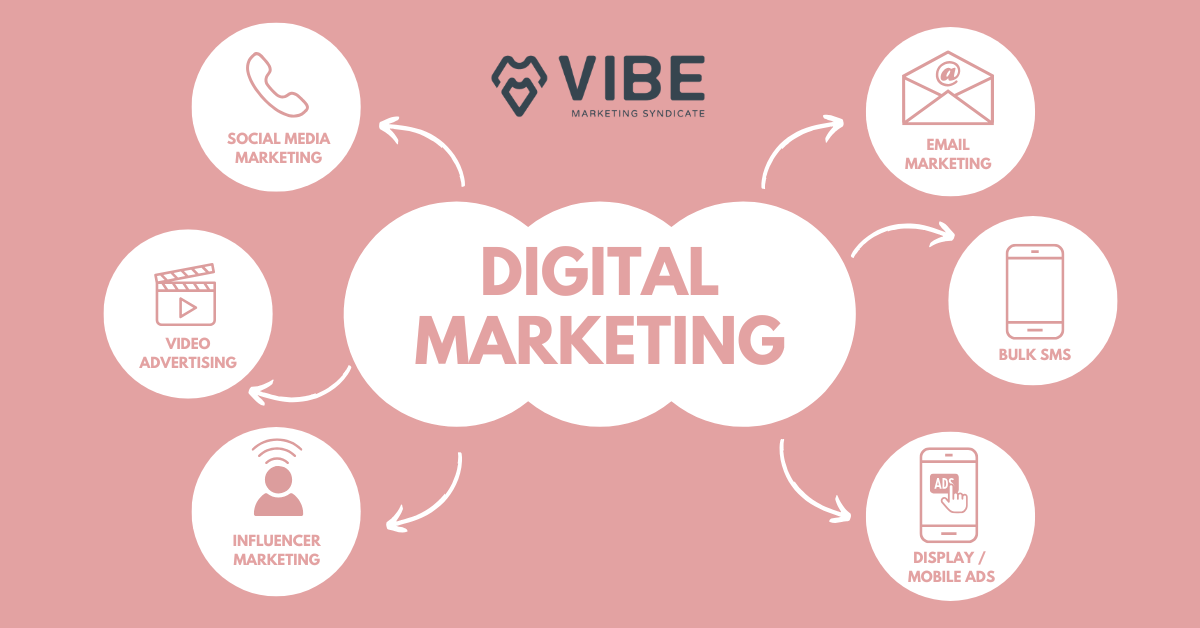
In conclusion, online marketing for ecommerce business in Kenya works best when treated as a comprehensive, interconnected system. First, SEO brings in highly intent-driven traffic. Next, social media captures attention and builds social proof. Then, paid ads rapidly accelerate your overall reach. Meanwhile, WhatsApp, email, and SMS lock in conversions and drive repeat purchases.
Ultimately, if you want to achieve dominant growth, you must stop thinking only about basic visibility. Instead, align your visibility, trust, frictionless checkout, and retention strategies to work together flawlessly. That is exactly where sustainable, long-term digital growth happens.