Virtual Reality and Artificial Intelligence: Shaping Tomorrow’s World
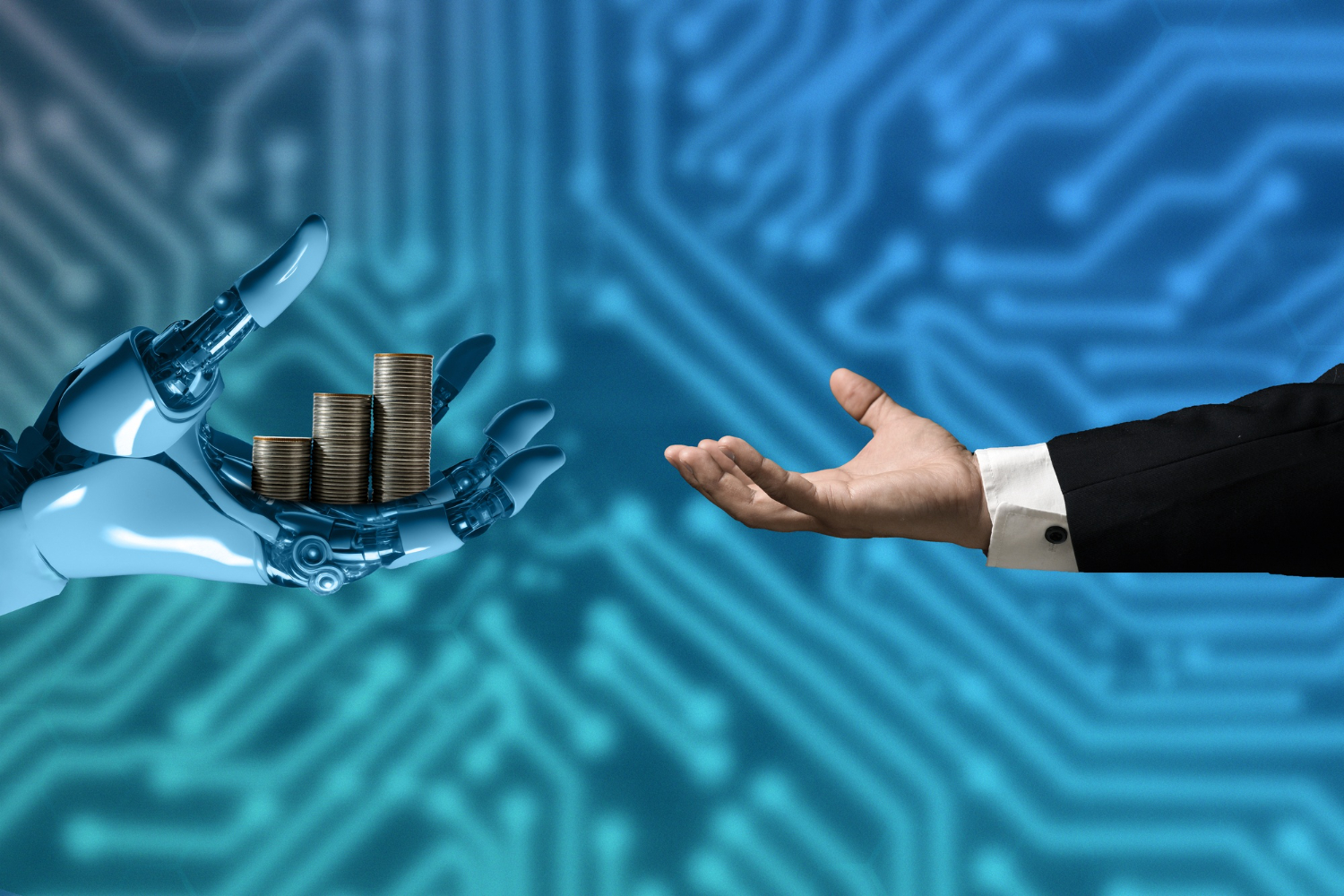
In just a few years, technology has leapt forward in ways that are changing how we live, work, and even think. Two of the most exciting breakthroughs driving this change are Virtual Reality (VR) and Artificial Intelligence (AI). Both are powerful on their own, but when combined, they create experiences and solutions that were once unimaginable.
What is Virtual Reality?
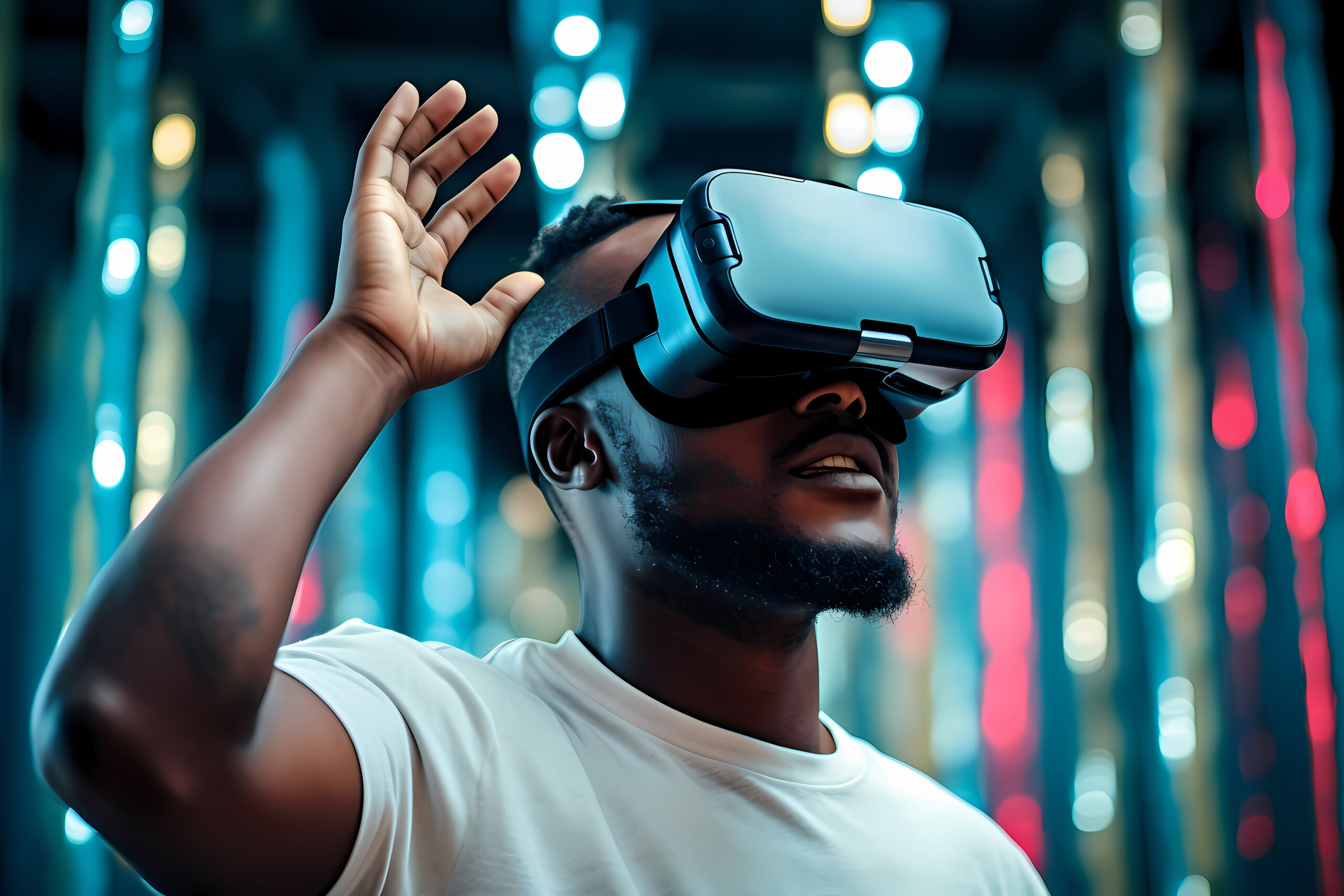
Virtual Reality is more than just a headset and a game. It’s a window into a world that feels real, even though it’s built by computers. When you put on a VR headset, you are transported into a fully immersive environment — whether that’s a battlefield in a video game, a classroom on the other side of the world, or a hospital training room where doctors can practice complex surgeries.
VR is valuable because it gives us the chance to experience things that are hard, risky, or expensive to do in real life. For example:
-
Education: Students can take virtual tours of historical sites or explore the solar system.
-
Real estate: Buyers can “walk through” properties without traveling across town.
-
Healthcare: Surgeons can practice operations safely, and patients can use VR for pain management or therapy.

What is Artificial Intelligence?
Artificial Intelligence is the “thinking” part of modern technology. It’s the software that learns patterns, understands language, and makes predictions. Every time you ask Siri or Google Assistant a question, or when Netflix suggests a movie you’ll probably like, that’s AI at work.
AI is everywhere, in banking systems that detect fraud, in self-driving cars that navigate busy roads, and in businesses that use data to understand customer behavior. What makes it powerful is its ability to keep improving the more it learns.

When VR and AI Work Together
On their own, VR creates immersive worlds, and AI provides intelligence. Together, they’re even more powerful:
-
Smart training simulations: A VR medical training program that doesn’t just show a procedure, but also uses AI to analyse how well the trainee is performing and gives personalized feedback.
-
Realistic virtual characters: Instead of predictable avatars, AI can power virtual characters that act, speak, and respond like real people, making games and training sessions far more engaging.
-
Business applications: Companies can test new products in a virtual environment while AI predicts how customers will react, saving money and speeding up innovation.
Why This Matters for the Future
The combination of AI and VR isn’t just about entertainment or fancy gadgets. It’s about solving real-world problems. Schools in remote areas can give students the chance to experience virtual labs. Farmers can use AI-driven VR simulations to predict weather effects on crops. Businesses can train employees more effectively, while doctors can reach patients through virtual consultations.
The real beauty of these technologies is accessibility. What was once available only to high-tech labs or big corporations is now becoming more affordable for schools, small businesses, and even individuals.
Virtual Reality pulls us into new worlds, while Artificial Intelligence makes those worlds intelligent and responsive. Together, they are reshaping industries, transforming education, revolutionizing healthcare, and opening doors we never thought possible.
We’re only at the beginning of this journey. As these technologies continue to grow, they will not only change how we interact with machines but also how we connect with each other in a digital-first world.
The future is no longer far away, with VR and AI, it’s already here.