The Future of Design: How Artificial Intelligence Is Changing the Creative Landscape
Design is no longer just about aesthetics. It is about intelligence, adaptability, and personalization. At the heart of this massive transformation is the rapid rise of AI in design, which is completely reshaping the exact way we imagine, create, and deliver modern user experiences.
From speeding up workflows to unlocking creative ideas no human could think of alone, AI is changing the rules of the game. In fact, according to a report by PwC, AI could contribute up to $15.7 trillion to the global economy by 2030, with design-driven industries being among the major beneficiaries.
How AI in Design Eliminates Boring Tasks
Let’s be honest: designers don’t dream of spending hours resizing images or tweaking endless layouts. With AI tools, those repetitive chores are automated in seconds. Need a color palette? AI can generate dozens. Want layout variations? AI delivers them instantly.
A survey by Adobe found that 62% of creative professionals are already using AI to streamline repetitive design tasks. The impact here is huge: instead of burning energy on tedious work, designers can pour their focus into strategy, problem-solving, and storytelling.
Personalized Design, Just for You
Today’s users want products that feel built for them. AI makes that possible. Think about Netflix recommending exactly what you want to watch, or an online shop showing the right product at the right time. That same intelligence is now being baked into design – adaptive interfaces that shift and evolve based on who’s using them.
Studies show that 80% of consumers are more likely to purchase from a brand that offers personalized experiences (Epsilon). The true power of AI in design means two people can open the same app and have completely different experiences tailored directly to their unique preferences. That not only boosts engagement but also builds loyalty and emotional connection.
Smarter User Experiences
Artificial Intelligence doesn’t just crunch data, it predicts what users will do next. From smarter navigation to accessibility-friendly layouts, AI helps create designs that feel intuitive. Chatbots, AI-powered search, and voice interfaces are all part of this wave, making digital experiences smoother and more human.
For example, Gartner predicts that by 2027, chatbots will become the primary customer service channel for 25% of companies. This means UX designers will increasingly work hand-in-hand with AI to craft experiences that feel more conversational, seamless, and human-like.
Embracing AI in Design as a Creative Partner
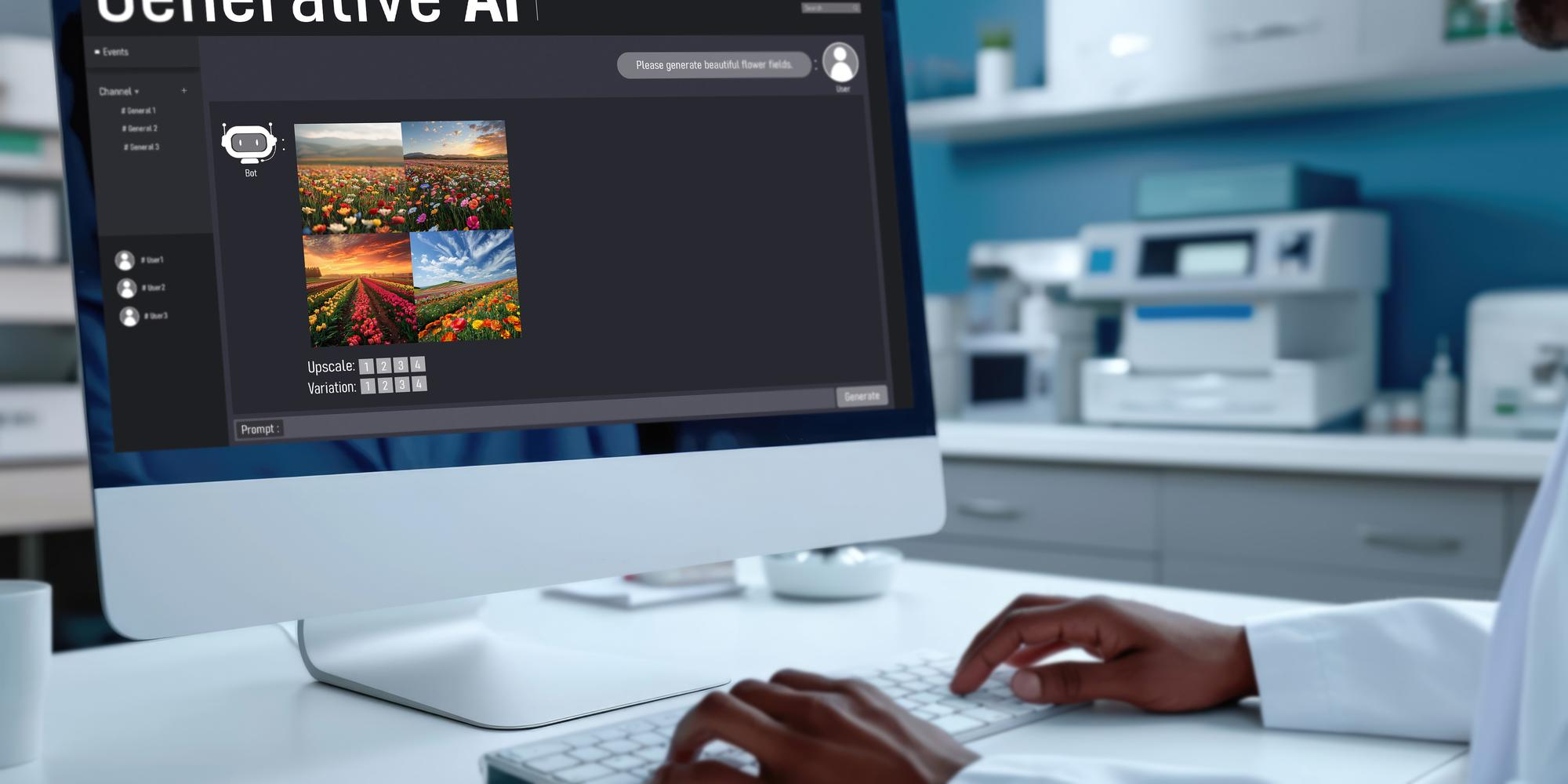
Here’s the twist: AI isn’t replacing designers, it’s collaborating with them. Generative design tools can create hundreds of logo or product variations in minutes, sparking ideas designers might not have considered. It’s like having a brainstorming partner who never runs out of energy.
Take tools like MidJourney, Figma AI, or DALL·E; they’re redefining creative possibilities. In fact, the use of generative AI tools in creative industries grew by over 400% between 2022 and 2023 (McKinsey). A designer can sketch a rough concept and let AI expand it into polished variations, which then become the starting point for refinement. Instead of killing creativity, AI is giving it wings.
Decisions Backed by Data
Design is no longer just gut feeling. With AI-driven analytics, heatmaps, and behavior tracking, designers can prove what works. The result? Interfaces and products that not only look good but perform even better.
According to Forrester, companies that adopt data-driven design practices see a 20–30% increase in conversion rates on average. Whether it’s A/B testing a button color, predicting user flows, or measuring engagement, AI ensures choices are backed by evidence. For businesses, this means higher ROI and smarter design investments.
The Future is Human + AI
The real magic happens when human creativity teams up with Artificial Intelligence. Humans bring emotion, empathy, and cultural awareness. AI brings speed, precision, and endless possibilities. Together, they’re shaping a design future that’s bold, personal, and endlessly innovative.
According to a Deloitte study, 73% of organizations that have adopted AI believe it is critical to their business success. We’re moving toward a world where designers and AI collaborate seamlessly. Designers set the vision, AI accelerates execution, and the combination produces outcomes that neither could achieve alone.
Final Thoughts
Ultimately, the integration of AI in design is not just affecting the creative industry. It is completely redefining it, making the entire process faster, more user-centered, and far more imaginative. For creators, business owners, and tech lovers, this is the moment to embrace AI. Not as a replacement, but as a co-pilot for your creativity.
The future of design won’t be humans versus machines. It will be humans with machines, creating smarter, more meaningful, and more inspiring experiences than we ever thought possible.